Dayas Essence
Strong Melts: RHUBY ROSE – Turning Laundry into Luxury!
398 in stock
Couldn't load pickup availability
Product Description
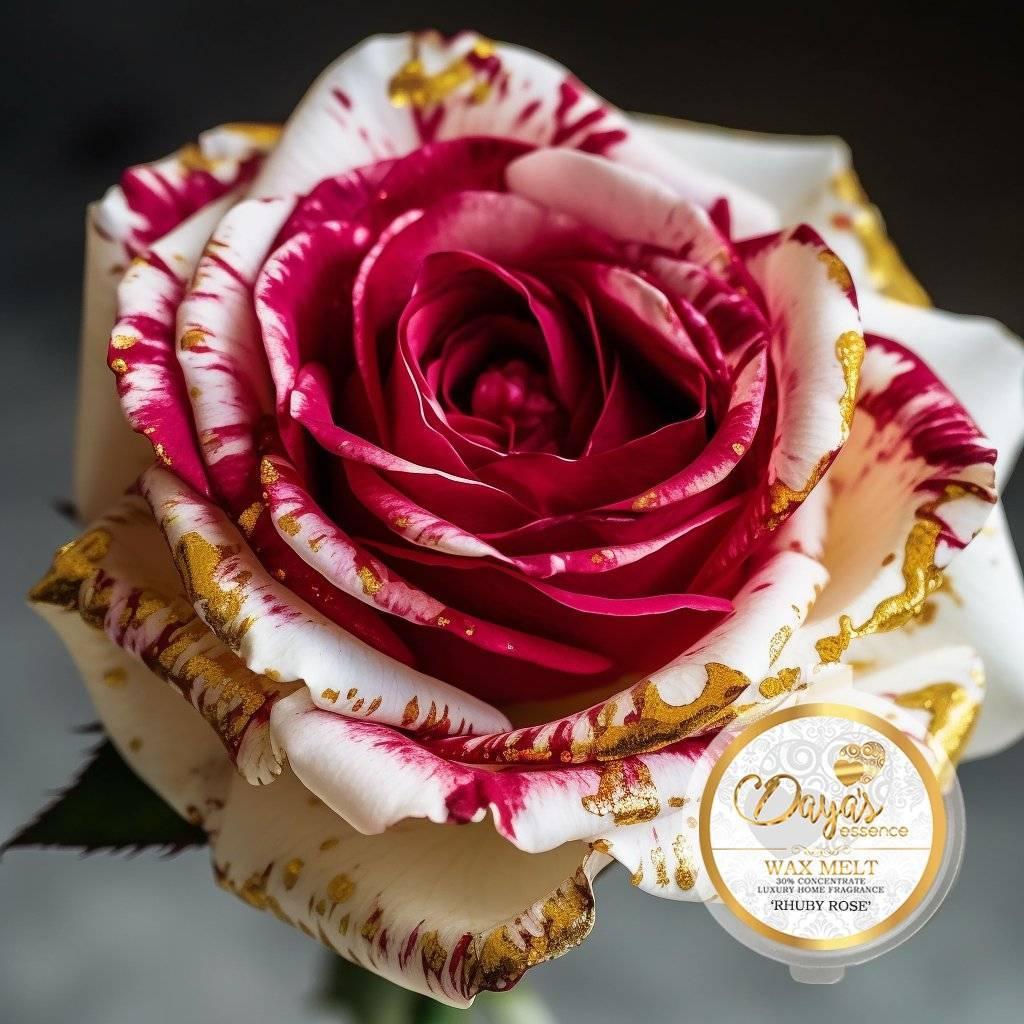
Strong Melts: RHUBY ROSE – When Life Gives You Laundry, We Give You Luxury!
You’re one sock away from snapping. The washing machine’s broken (three days until it’s fixed), the kids are arguing over whose turn it is to clean the living room because it looks like a bombs hit it, and the dog has tracked mud across the kitchen floor.
Chaos reigns, and the laundry pile looms larger by the minute.
Then your eyes land on Rhuby Rose Wax melt from Dayas Essence, your one hope for a moment of calm.
These aren’t just any wax candle melts—they’re packed with a 30% fragrance load, meaning we pour three times more oil into each tub than standard melts.
That’s why Rhuby Rose delivers bold, room-filling wax melt scents that last. Pop it into your warmer and let the tangy rhubarb and powdery rose petals transform your space. Who needs the best candle scents UK when you’ve got this?
Within minutes, your house smells like an upscale flower shop.
The sharp, juicy tang of rhubarb cuts through the madness, while the soft rose petals wrap everything in calm. Even the dog stops pacing—probably wondering why everything smells so fancy.
You, on the other hand, take a deep breath and finally exhale. I get asked if my scents are soy wax melts UK but as much as people like soy, unfortunately with my 3 times more oil poured soy wax couldn’t hack the amount of oil I use so I created a paraffin blend that knocks socks off and performs brilliantly.
Dayas Essence melts are in a league of their own, outperforming even the strong smelling candles UK you used to rely on.
This is wax shop wax at its finest—strong, long-lasting, and transformative. Let’s talk strength. With a 30% fragrance load, these strong melts aren’t for the faint of heart. If you’re new, start small—cut the tub into quarters and use a single piece. Feeling daring? Melt the whole tub and let its bold scent fill every room in your house for 30+ hours.
Don’t worry, though—it won’t overwhelm you. Dayas scents strikes the perfect balance between power and elegance.
Crafted with premium paraffin, these melts hit the perfect wax melting temperature for maximum scent throw.
Say goodbye to those weak, underwhelming melts and hello to wax melts perfume fragrances that deliver every single time. This isn’t just a melt; it’s the hero of your fragrance journey.
The washing machine is still broken, the kids are still loud, and the dog is now eyeing your favourite pair of shoes—but none of it matters.
With Rhuby Rose filling your home, the chaos feels a little less overwhelming. Your space smells like luxury, and for once, you’re winning the day. Whether you’re battling chores, these melts are perfect for every occasion.
They outperform candles and wax melts that fail to deliver and rival the finest fragrant candles UK—but without the flame. If you’re after best scented candles uk in a wax form that make your whole house smell amazing, look no further.
We’ve all been let down by melts that promise the moon and deliver a faint whiff.
Rhuby Rose is different. With its bold throw, long-lasting performance, and no-nonsense quality, it’s the ultimate multitasker. Whether it’s taming a chaotic day or setting the mood for a relaxing evening, this melt is your new best friend.
Why settle for less when you can have the strongest smelling candles UK, but in a safer, smarter wax form?
Rhuby Rose outperforms even the strong aftershave scents and offers all the benefits of premium without compromise.
Rhuby Rose isn’t just a scent—it’s your secret weapon for turning any moment into a masterpiece.
Go on, add it to your cart and let it transform your space.
Fragrance Notes – A Whirlwind of Charm and Cheer:
Top Notes: Rhubarb, Lemon, Citrus Zest
Bright, tangy, and just the right amount of cheeky—like that friend who turns up with cocktails and a gossip session when you’re feeling rubbish. The rhubarb and lemon bring a refreshing zing that’ll have you perking up faster than your first morning cuppa.
Heart Notes: Tea Rose, Elderflower, Delicate Florals
Soft and floral, these notes are the equivalent of flopping onto the sofa with a blanket after a long day. The tea rose and elderflower waft through your space like a posh garden party where you don’t have to make awkward small talk. Pure bliss.
Base Notes: Musk, Vanilla, Creamy Woods
As the scent settles, the musk and vanilla wrap around you like your comfiest hoodie (you know the one). Warm, creamy, and just indulgent enough to make you feel like you’ve got your life together—even if the washing machine’s still broken.
Why I Love Making Rhuby Rose:
There’s something magical about Rhuby Rose—it’s the scent of balance in a world of chaos. When I created this fragrance, I wanted it to feel like a hug in scent form. To snap you out of a bad day.
It’s more than just a fragrance—it’s self-care in wax form, and I’m so proud to share it with you.
Frequently Asked Questions
Can wax melts replicate complex blends like high-end perfumes?
Yes, wax melts can replicate complex blends like high-end perfumes, but their accuracy depends on multiple factors.
Fragrance Oil Formulation: Wax melts use specially crafted fragrance oils that mimic the intricate layers of luxury perfumes. These oils are designed to recreate the top, middle, and base notes.
Top Notes: Light and fleeting, such as citrus or fresh florals, these give the initial impression.
Middle Notes: Often florals, spices, or fruits, these form the heart of the scent and define its personality.
Base Notes: Long-lasting and grounding, like woods, musk, or vanilla, these linger and provide depth.
High-quality oils from reputable suppliers are key to achieving a close match to the original perfume.
Wax Compatibility: The type of wax used can impact scent performance. Paraffin blends are better suited for high fragrance loads and complex oils, ensuring the wax throws the scent effectively. Check our Dayas Essence 30% fragrance loaded scents Link at the bottom.
Soy wax, while natural, may struggle to project intricate perfume blends as strongly due to its lower fragrance load capacity of 10%.
Limitations: Wax melts can capture the essence of high-end perfumes but cannot replicate their experience perfectly. Perfumes are designed for skin chemistry, which interacts with the fragrance to evolve over time, whereas wax melts diffuse scent uniformly in the air.
In summary, wax melts can successfully replicate the complexity of high-end perfumes with the right combination of quality fragrance oils, wax type, and formulation expertise, though the experience differs slightly from wearing the perfume. Explore our perfume scented 30% fragrance loaded melts here.
Are there wax melts specifically designed for eco-conscious consumers?
Yes, there are wax melts created with eco-conscious consumers in mind. These melts cater to environmentally aware preferences through thoughtful ingredient choices and production practices.
Wax Types:
Soy Wax: Derived from soybeans, this renewable, biodegradable wax is a popular choice for eco-conscious consumers.
However, its fragrance throw is often milder compared to paraffin.
Coconut Wax: Made from coconut oil, this wax is sustainable, burns cleanly, and has an excellent scent throw.
Beeswax: Another natural option, though it is not vegan-friendly.
Fragrance Oils: Eco-friendly wax melts avoid phthalates and other harsh chemicals, opting for safe, non-toxic oils. Vegan fragrance oils (free from animal-derived ingredients) are often used.
Packaging: Many eco-friendly wax melts come in recyclable or biodegradable packaging, reducing waste. Some brands use compostable or minimalistic designs to align with sustainable goals.
Certifications: Look for labels such as cruelty-free, vegan, or ethically sourced for assurance of eco-conscious practices.
Performance: While eco-conscious melts are made with natural materials, they may have a slightly milder scent throw.
In conclusion, eco-conscious wax melts balance environmental responsibility with enjoyable fragrances, catering to consumers seeking sustainable home fragrance options.
How do wax melts with herbal blends compare to floral blends in scent strength?
Herbal and floral wax melts differ significantly in scent strength and application, primarily due to the nature of the fragrance oils used.
Herbal Blends:
Characteristics: Herbal blends use oils like lavender, eucalyptus, rosemary, sage, or mint, which tend to have a fresher, lighter scent profile.
Scent Strength: Herbal fragrances generally have a moderate scent throw. Their volatile oils can evaporate quickly, making them less potent than florals.
Uses: Ideal for relaxation or creating a spa-like atmosphere, as they promote a soothing and natural vibe.
Floral Blends:
Characteristics: Floral blends feature oils like rose, jasmine, lily, or peony, which are naturally more potent and rich.
Scent Strength: Florals tend to have a stronger, more prominent scent throw, as their molecules linger longer in the air. This makes them better suited for larger rooms or when a bold fragrance presence is desired.
Uses: Popular for creating luxurious, romantic, or vibrant atmospheres, floral scents dominate spaces effectively.
Wax Melt Performance:
Herbal Blends: Their strength can be enhanced by blending with complementary notes like citrus (for freshness) or woods (for depth). However, they may require a higher fragrance load to achieve a comparable scent throw to florals.
Floral Blends: Naturally powerful, florals perform well even at standard fragrance loads, ensuring a strong and long-lasting scent.
Key Comparison: Longevity: Floral blends generally last longer because their oils have heavier molecules. Purpose: Herbal blends excel in creating subtle, calming environments, while floral blends are better for bold, vibrant fragrances.
Wax Type: High-quality paraffin or paraffin blends often enhance the performance of both floral and herbal blends, ensuring the best possible scent throw.
Ultimately, herbal blends are more subdued and spa-like, while floral blends deliver bold, room-filling aromas.
Additional Info▼
CLP:

Customer Reviews
Presented In
Presented in a 1oz tub (4.5cm width x 2.6cm height), this wax melt might be small, but it's definitely mighty. Your senses deserve this indulgence, so try it today and hit that buy button!
Size Comparison


Why Choose Our Wax Melts?
| Triple Fragrance Loaded for an Intense Aroma: All our wax melts have three times the fragrance poured into each melt, equating to a 30% concentrated fragrance load (compared to 10% in other brands). |
| Long-Lasting Scent: Get a minimum of 30 hours of burn time with an electric warmer (full tub) or 20 hours with a candle burner. |
| Phthalate & Carcinogen Free: No harmful nasties, so you can breathe easy. |
| Fully compliant: With HSE GB CLP and IFRA regulations. |
|
YOUR SENSES DESERVE THIS INDULGENCE. TRY TODAY! |
Have Questions?
Visit our FAQ page for answers to common questions about our products.
-
Regular price £2.75 GBPRegular price
-
Regular price £2.75 GBPRegular price
-
Regular price £2.75 GBPRegular price
-
Regular price £2.75 GBPRegular price