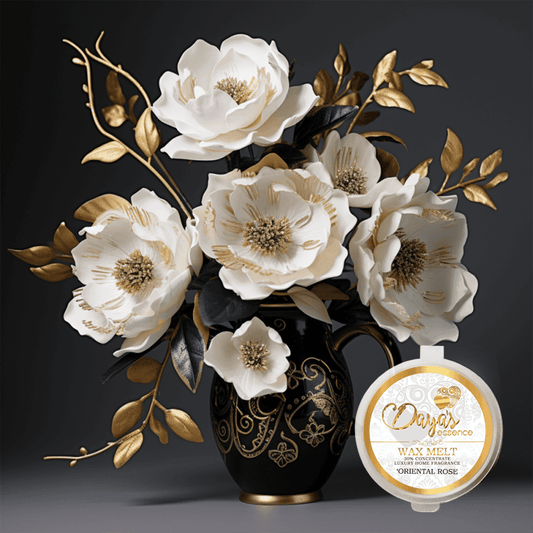
Dayas Essence
Strong Wax Melts UK: OLD FLOWER SHOPPE: Florist’s Dream
95 in stock
Couldn't load pickup availability
Product Description
Strong Wax Melts UK: OLD FLOWER SHOPPE - Like Stepping Into a Florist’s Dream
Picture this: You’re wandering through a quaint little street, pretending you’re in a romantic movie set in Paris (as you should), when a flower shop catches your eye.
You step inside, and BOOM—the air is so thick with the scent of fresh roses, creamy gardenias, crisp green stems, and a touch of earthy ivy, you feel like you’ve been hugged by Mother Nature herself.
You linger, trying to act casual, but really, you’re just standing there inhaling like it’s your full-time job.
That’s exactly what Old Flower Shoppe Wax Melt delivers. It’s the floral fantasy you didn’t know you needed, but now can’t live without.
And with a 30% fragrance load (three times stronger than most wax melts), this isn’t just a scent—it’s a full-on experience.
The beauty of Old Flower Shoppe is that you don’t need to wait for that “perfect” moment to indulge.
No lazy Saturday required. Just pop this highly scented wax melts into your warmer, and suddenly your home is a blooming oasis.
Your living room? Smells like a florist is working overtime. Your kitchen? Now radiates fresh, clean vibes (even if there’s a rogue coffee cup on the counter). Your bathroom? It’s giving spa retreat energy.
And the best part? No wilting flowers. No remembering to change the water in the vase. Just hours of bold, consistent fragrance that transforms any room into a floral haven.
This isn’t just “smells kinda like flowers.” No, no, this is the fragrance equivalent of a Monet painting—layered, elegant, and beautifully balanced.
Most candle wax melts out there? Meh. They start strong but fade faster than your motivation to go to the gym.
Not Old Flower Shop. With its 30% fragrance load, it’s one of the strong wax melts UK shoppers swear by. The scent fills your entire house and keeps going—long after you’ve forgotten it’s even there. And here’s the thing: This isn’t just a luxury wax melt because it smells amazing. It’s a luxury because it’s consistent.
From the first melt to the last, every moment is pure floral bliss. Hosting a dinner party? Guests will think you’ve decked the place out with fresh bouquets.
Need a little self-care moment? This melt says, “Grab the fancy chocolate.” Want your house to smell like a Pinterest-worthy dream home? Done and done.
Pair it with your best electric wax melt burner, and you’re good to go. No mess, no fuss—just the best smelling wax melt you’ve ever tried.
Here’s why people can’t stop raving about Old Flower Shop:
• Triple the Fragrance Power: That 30% fragrance load means it’s bold, long-lasting, and unforgettable.
• True-to-Life Scent: Smells exactly like stepping into a high-end flower shop—fresh, elegant, and vibrant.
• Crafted to Last: Even large spaces are no match for its room-filling magic. Life’s too short for mediocre melts.
Add Old Flower Shoppe to your basket now and let your home bloom with the magic of fresh flowers.
Whether you’re after wax melts strong, best smelling candles uk alternative, or the best wax melts, these tick all the boxes.
Go on, treat yourself. You deserve to live your best, flower-filled life.
Fragrance notes - The Blooming Breakdown:
Top Notes: Gardenia, Green Stems
Bright and dewy, like the florist just handed you a freshly wrapped bouquet.
Heart Notes: Rose, Trailing Ivy
Romantic and timeless—the floral powerhouse you never knew you needed.
Base Notes: Fresh Florals
Soft and lingering, like a whisper of petals floating through the air.
Why I love this scent:
Confession time: This scent has a special place in my heart. Years ago, my best friend made wax melts (because great minds think alike), and she introduced me to this fragrance. I was instantly obsessed.
It was love at first sniff—true-to-life florals that made my home smell like an actual flower shop. But when she decided to close her business, I was devastated. I needed this scent in my life.
So, I made it my mission to recreate it, not just for me but for anyone else who loves the fresh, heady scent of a blooming bouquet.
This wax melt nails everything I adore about flowers—authentic, rich, and oh-so-elegant.
Frequently Asked Questions
What impact does humidity have on stored wax melts?
Humidity can affect wax melts in several ways, particularly if they are not stored in ideal conditions. While wax itself is hydrophobic (repels water), the fragrance oils and surface of the wax can still be influenced by prolonged exposure to moisture in the air.
Here’s the impact.
Effects of Humidity on Wax Melts: Sweating: In high-humidity conditions, the fragrance oils in the wax can migrate to the surface, creating a shiny, greasy appearance commonly referred to as sweating.
This is caused by the interaction between moisture in the air and the fragrance molecules. While sweating does not make the wax melts unusable, it can slightly alter the fragrance balance and intensity.
Stickiness: The surface of the wax melts can become tacky or sticky when exposed to moisture. This stickiness may attract dust or other airborne particles, affecting the cleanliness and appearance of the wax.
Fragrance Evaporation: High humidity accelerates the evaporation of volatile fragrance oils, leading to a gradual weakening of the scent. Over time, this can diminish the strength and longevity of the fragrance when the melt is used.
Structural Integrity: Although wax melts are solid, excessive humidity combined with fluctuating temperatures may cause softening or slight warping, particularly with soy or softer wax blends.
Preventive Measures:
Airtight Storage: Storing wax melts in airtight containers or resealable bags prevents moisture from interacting with the wax and fragrance oils. This is the best defence against sweating and fragrance loss.
Cool, Dry Environment: Avoid storing wax melts in areas prone to high humidity, such as kitchens, bathrooms, or basements. Instead, store them in a dry, stable environment where humidity levels are below 50%.
Use of Desiccants: Placing silica gel packets or other moisture absorbers in storage containers can help manage excess humidity, especially in climates with naturally high moisture levels.
Conclusion: Humidity can cause wax melts to sweat, become sticky, and lose fragrance over time. While the wax itself does not absorb moisture, prolonged exposure to high humidity can impact the fragrance and appearance of the melts.
To preserve their quality, always store wax melts in airtight containers and in a cool, dry place. Proper storage ensures their scent and structure remain intact.
Are wax melts that have aged for years still safe to use?
Yes, wax melts that have aged for years are still safe to use, provided they’ve been stored properly. Wax is chemically stable and does not expire, so the melts themselves remain safe to handle and use.
In fact, wax melts often benefit from a process called curing, where the wax and fragrance oils bond more fully over time, potentially resulting in a stronger and more well-rounded scent throw.
However, it’s important to note a few things.
Fragrance Longevity: While curing can enhance the scent initially, prolonged ageing (several years) may lead to fragrance oils evaporating or degrading, especially if the melts haven’t been stored in cool, dark, airtight conditions. This might result in a weaker scent when melted.
Appearance Changes: Older wax melts might show cosmetic changes, like slight discolouration. These changes don’t affect safety or performance but may alter their appearance.
Performance: If the melts still smell pleasant and melt properly, they’re perfectly fine to use. Even if the fragrance has faded, they’ll still function as a safe and effective wax product.
In summary, aged wax melts are safe to use and, if stored correctly, may even offer a stronger fragrance. Just keep in mind that fragrance strength could diminish after several years.
Should wax melts be stored vertically or horizontally for optimal preservation?
Wax melts can be stored either vertically or horizontally, as the orientation does not impact the fragrance or performance of the wax melts.
Once the wax is set, the fragrance oils are fully integrated and do not shift or migrate, regardless of how the melts are stored.
However, horizontal storage is generally recommended for practical reasons.
Maintaining Shape: Storing wax melts horizontally reduces the risk of warping, cracking, or damage to delicate designs, especially for melts with intricate shapes or details.
Preventing Pressure Damage: When stored vertically, wax melts may lean against each other or the container, leading to pressure marks or dents over time.
Ease of Organisation: Horizontal storage allows for easier stacking and handling, minimising the risk of accidental breakage.
While either method is fine, horizontal storage is typically the best option to preserve the physical condition of the melts.
Additional Info▼
CLP:


Customer Reviews
Presented In
Presented in a 1oz tub (4.5cm width x 2.6cm height), this wax melt might be small, but it's definitely mighty. Your senses deserve this indulgence, so try it today and hit that buy button!
Size Comparison


Why Choose Our Wax Melts?
| Triple Fragrance Loaded for an Intense Aroma: All our wax melts have three times the fragrance poured into each melt, equating to a 30% concentrated fragrance load (compared to 10% in other brands). |
| Long-Lasting Scent: Get a minimum of 30 hours of burn time with an electric warmer (full tub) or 20 hours with a candle burner. |
| Phthalate & Carcinogen Free: No harmful nasties, so you can breathe easy. |
| Fully compliant: With HSE GB CLP and IFRA regulations. |
|
YOUR SENSES DESERVE THIS INDULGENCE. TRY TODAY! |
Have Questions?
Visit our FAQ page for answers to common questions about our products.
-
Regular price £2.75 GBPRegular price
-
Regular price £2.75 GBPRegular price
-
Regular price £2.75 GBPRegular price
-
Regular price £2.75 GBPRegular price